
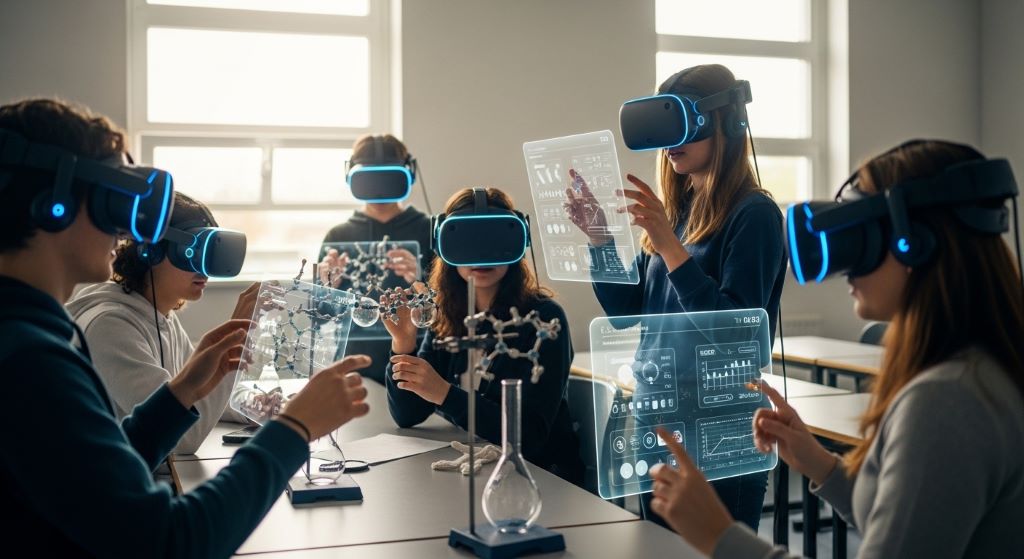
Education is changing fast. Schools and universities are moving beyond textbooks and lectures. They are turning to experiences that pull students deep into the subject matter. This approach is known as immersive learning. It uses tools like virtual reality, simulations, role-play, and project-based tasks to engage learners fully. However, adopting this method is only half the work. The other half is knowing whether it actually works.
Measuring the impact of immersive learning on student performance is not always straightforward. Traditional tests may not capture the full picture. Therefore, educators and administrators need a broader set of tools and strategies to evaluate learning outcomes properly.
This article walks you through practical, evidence-based ways to measure how well immersive learning is working in your classroom or institution.
Why Measuring Impact Matters
Before diving into methods, it helps to understand why measurement is so important. When schools invest in new technology or teaching models, they need to know if the investment is paying off. Parents, school boards, and funders all want answers.
Additionally, teachers need feedback to improve. Without data, it is hard to know what is working and what needs to change. Measurement also helps students. When learners see their own growth through clear evidence, they feel more motivated to keep going.
Therefore, building a solid measurement plan from the start is not optional. It is essential.
Set Clear Learning Goals First
You cannot measure what you have not defined. Before tracking any outcomes, you need to set clear and specific learning goals. Ask yourself what students should know, feel, or be able to do after the immersive experience.
Good goals are specific and observable. For example, rather than saying “students will understand history,” a better goal might be “students will explain three causes of World War I using primary sources.” This level of clarity makes it easier to choose the right measurement tools later.
Additionally, align your goals with the curriculum. This ensures the immersive activity supports what students are already expected to learn, not just what feels exciting in the moment.
Use Pre- and Post-Assessments
One of the most reliable ways to measure growth is the pre- and post-assessment method. You test students before the immersive experience begins and then again after it ends. The difference in scores shows how much they learned.
These assessments do not have to be traditional multiple-choice tests. They can include short written responses, concept maps, or practical demonstrations. The key is to ask the same core questions both times so the comparison is valid.
However, keep the assessments short and focused. Long tests can cause fatigue and give inaccurate results. A well-designed ten-question quiz often works better than a fifty-question exam for this purpose.
Track Student Engagement in Real Time
Engagement is a strong indicator of learning. When students are actively involved, they tend to retain more information. Therefore, tracking engagement during the immersive experience gives you valuable insight.
There are several ways to do this. Teachers can observe and record how often students participate in discussions, ask questions, or take the lead in group activities. Digital platforms often have built-in tracking tools that log how much time a student spends on a task, how many attempts they make, and where they struggle.
You can also use short check-in questions during the lesson. These are sometimes called exit tickets. Students answer one or two quick questions before leaving class. Their answers show whether the key ideas are landing or if reteaching is needed.
Collect Qualitative Feedback from Students
Numbers tell part of the story. Words tell the rest. Qualitative feedback from students helps you understand how the experience felt from their perspective. This matters because emotional engagement is closely linked to learning outcomes.
After an immersive activity, ask students to reflect in writing or through guided discussion. Questions like “What was the most surprising thing you learned?” or “How did this activity change the way you think about the topic?” can reveal deep insights.
Student interviews and focus groups are also useful tools. A small group conversation can uncover patterns that surveys miss. Additionally, over time, this type of feedback helps you refine the design of future immersive experiences.
Analyse Performance Data Over Time
Single data points are rarely enough. One test score or one feedback session does not tell the full story. Therefore, it is important to track student performance over an extended period.
Look at trends. Are students who participate in immersive learning activities improving more quickly than those in traditional settings? Are their grades in related subjects also going up? Are they retaining information weeks or months after the experience?
Longitudinal tracking can reveal whether the impact of immersive learning is lasting. Short-term gains are encouraging, but lasting knowledge and skills are the real goal of education.
Compare with a Control Group When Possible
In research, the gold standard for measuring impact is a controlled comparison. You take two similar groups of students. One group participates in the immersive learning experience. The other does not. Then you compare their outcomes.
This approach removes bias. It helps you determine whether the gains you see are actually due to the immersive experience or because of other factors like teacher quality, student motivation, or time of year.
However, this method requires careful planning. The two groups should be as similar as possible in terms of prior knowledge, age, and background. Additionally, the comparison group should receive equally good teaching, just through a different method.
Measure Skill Transfer, Not Just Knowledge
A common mistake in educational measurement is focusing only on what students know rather than what they can do. Immersive learning is especially designed to build practical skills. Therefore, your measurement strategy should include skill transfer.
Skill transfer means checking whether students can apply what they learned in new situations. For example, if students participated in a medical simulation, can they use those skills in a different clinical scenario? If they practiced problem-solving through a virtual environment, can they tackle real-world challenges with confidence?
Project-based assessments, case studies, and real-world tasks are excellent tools for measuring transfer. They ask students to use their knowledge in ways that go beyond repetition.
Involve Teachers in the Evaluation Process
Teachers are on the front line. They see student reactions, notice engagement levels, and observe growth in real time. Therefore, their observations are a vital source of data.
Ask teachers to keep structured observation logs during and after immersive activities. These logs can include notes on participation, attitude shifts, and unexpected moments of understanding. Over time, these records build a rich picture of how students are progressing.
Additionally, teacher feedback on the design of the immersive activity itself is valuable. If a simulation is confusing or a role-play scenario feels unrealistic, that information helps improve future sessions.
Use Technology to Gather and Analyse Data
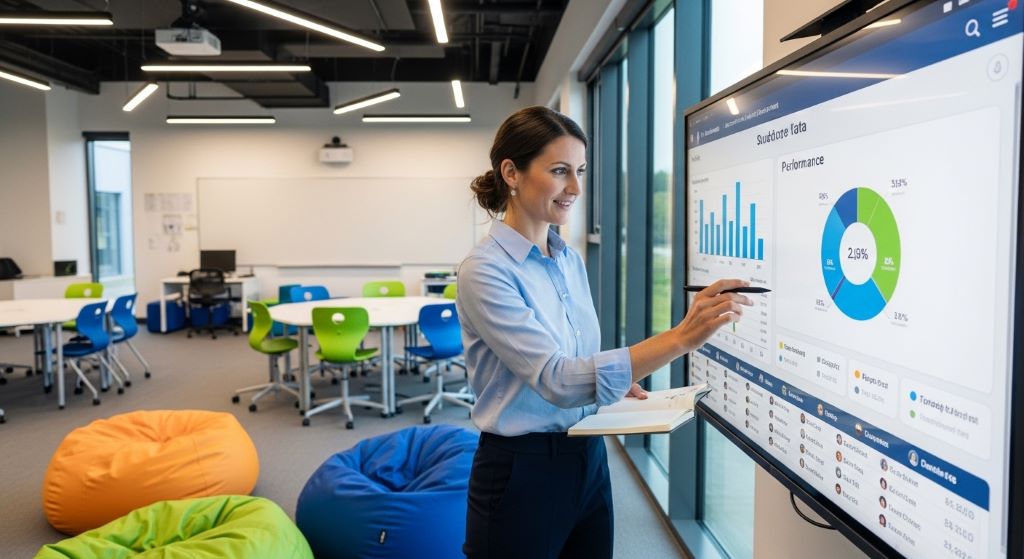
Modern technology makes data collection easier than ever. Learning management systems, virtual reality platforms, and digital assessment tools can automatically capture a wide range of data points. This includes time on task, error patterns, completion rates, and more.
However, more data does not always mean better insight. The key is knowing which data points matter and how to interpret them. Work with your data team or technology coordinator to identify the most meaningful metrics for your specific goals.
Additionally, data privacy must be a priority. Always follow your institution’s guidelines when collecting and storing student information.
Create a Feedback Loop for Continuous Improvement
Measurement is not a one-time event. It is an ongoing process. The best educators use what they learn from assessments, observations, and student feedback to constantly improve their approach.
After each immersive learning cycle, review what the data tells you. Share findings with your team. Make adjustments to the activity design, the learning goals, or the assessment tools. Then repeat the process.
This feedback loop ensures that immersive learning gets better over time. It also shows students and stakeholders that you are committed to quality and continuous growth.
Conclusion
Measuring the impact of immersive learning on student performance requires more than a single test score. It calls for a thoughtful combination of pre- and post-assessments, real-time engagement tracking, qualitative feedback, longitudinal data, and skill transfer evaluations. Teachers play a key role, and technology can support the process when used wisely.
However, the most important ingredient is intention. Start with clear goals, choose your tools carefully, and commit to reviewing the data regularly. When done well, measurement does not just prove that immersive learning works. It helps make it work even better.
By building strong evaluation practices into your program from the beginning, you give students the best chance to grow, and you give your institution the evidence it needs to move forward with confidence.
Frequently Asked Questions
What is the best way to measure immersive learning outcomes?
The most effective approach combines pre- and post-assessments with qualitative feedback and real-time engagement tracking. Using multiple tools gives you a fuller picture of student growth than any single method can provide.
How long does it take to see measurable results from immersive learning?
It depends on the subject and the depth of the experience. Some gains are visible immediately after an activity. However, deeper learning and skill transfer may take weeks or months to emerge, which is why longitudinal tracking is important.
Can immersive learning work for all age groups?
Yes, immersive learning can be adapted for learners of all ages. The tools and methods may vary. Younger students might benefit from hands-on simulations, while older students may engage more deeply with virtual reality or real-world projects.
How do teachers know if student engagement is genuine?
Genuine engagement shows up in several ways, including sustained attention, voluntary participation, thoughtful questioning, and the ability to apply concepts independently. Structured observation tools and student self-reporting can help teachers track these signals.
Is it necessary to use technology to measure immersive learning impact?
Not necessarily. While technology can make data collection easier and more detailed, strong measurement is also possible through observation, written reflection, and teacher-led assessments. The most important thing is having a clear plan, not the most advanced tools.
Related Topics:
How to Build a Personal Education Plan for Professional Certifications
How to Optimize a Student Education Plan for Skill Based Learning