
Why Students in Austin, TX Are Struggling With Standardized Classroom Models

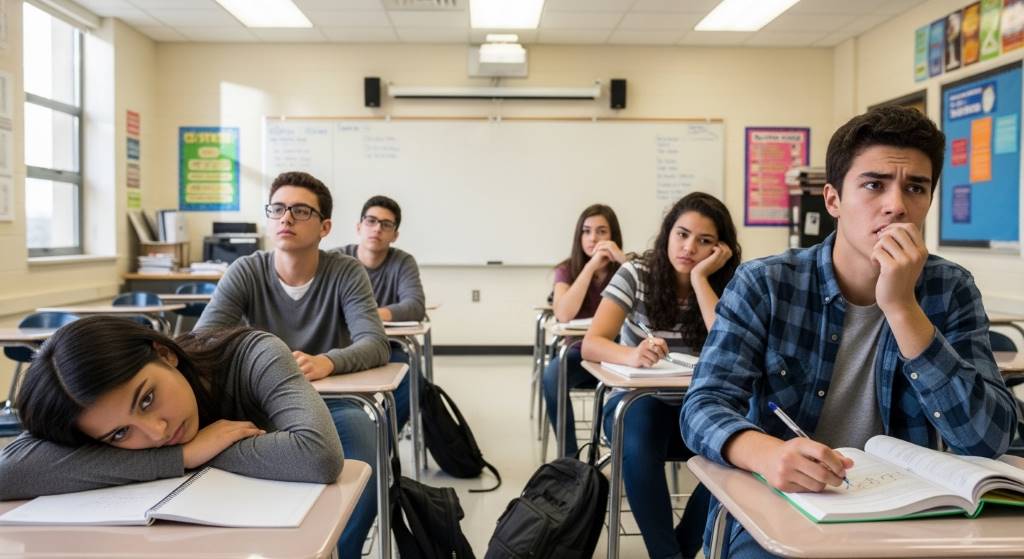
Students across Austin, TX are facing growing pressure inside classrooms that follow rigid academic systems. Recent education reports show that student stress and academic burnout have increased in many urban school districts during the last five years. At the same time, parents and teachers continue to question whether traditional learning methods still meet modern student needs. Many experts now connect these concerns to one size fits all education drawbacks that limit creativity and personal growth. As Austin grows into a major technology and innovation hub, students need learning systems that support flexibility, critical thinking, and emotional development.
The Growing Gap Between Standardized Learning and Student Reality
Austin has become one of the fastest-growing cities in Texas, and its schools now serve students from many different backgrounds. However, many classrooms still rely on outdated teaching models that treat all students the same way. This approach often ignores learning speed, personal interests, and emotional needs. As a result, students feel disconnected from lessons that fail to match their real-life experiences.
Many students in Austin also balance academics with part-time jobs, family responsibilities, and extracurricular activities. Standardized classroom systems rarely leave room for those challenges. Consequently, students often struggle to keep up with strict schedules and testing requirements. Some educators now recommend personal education plan professional certifications strategies to help students create customized learning paths that better fit their goals.
Teachers also face pressure from district-wide testing standards and curriculum pacing rules. Instead of adapting lessons to student needs, many educators must focus heavily on exam preparation. This environment reduces classroom creativity and limits meaningful discussions. Over time, students begin to view learning as a task instead of a valuable experience.
Why Austin’s Fast-Changing Economy Creates New Educational Challenges
Austin’s economy has changed dramatically because of the city’s rapid technology growth. Companies in software, engineering, and creative media now demand flexible problem-solving skills from future workers. Unfortunately, standardized classroom systems often prioritize memorization over innovation. Students therefore struggle to build the adaptive thinking skills modern careers require.
Many local employers now value collaboration, creativity, and communication more than repetitive test performance. Yet students still spend long hours preparing for multiple-choice assessments. This disconnect creates frustration for both families and students. Furthermore, many teenagers feel uncertain about how school lessons relate to real-world opportunities.
A unique issue in Austin involves the influence of startup culture on student expectations. Teenagers regularly see young entrepreneurs succeed through unconventional learning paths. Because of this, many students question why schools still depend heavily on fixed academic structures. Traditional classrooms often fail to explain how standardized systems connect to modern career realities.
The Mental Health Impact of Standardized Education
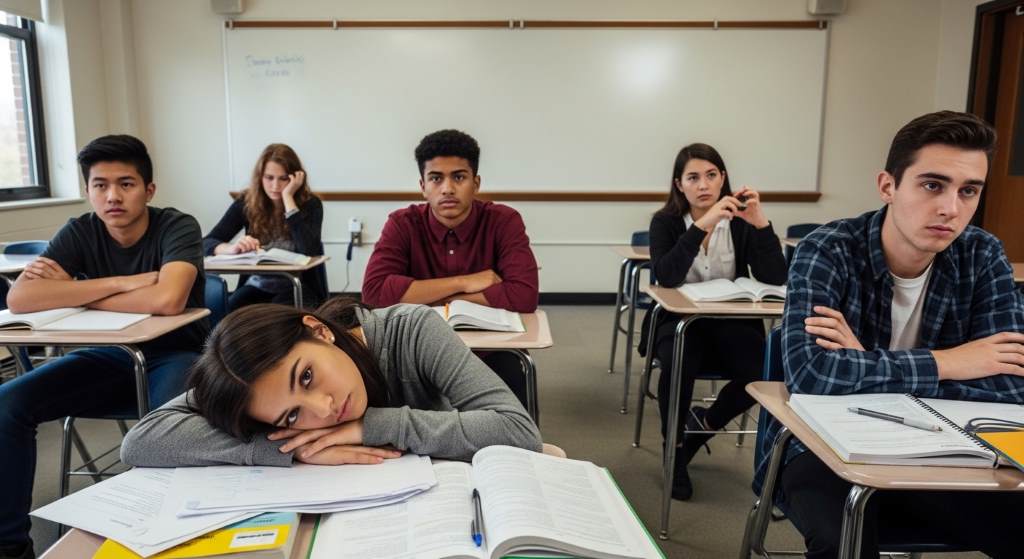
Student mental health concerns continue to rise throughout Texas, including in Austin school districts. High academic pressure and constant testing contribute to anxiety, stress, and burnout among students. Many teenagers report feeling emotionally exhausted before reaching graduation. Consequently, schools now face increasing pressure to rethink academic expectations.
Rigid classroom systems often reward only one type of student performance. Learners who excel in creativity, leadership, or hands-on projects may feel overlooked. This imbalance lowers confidence and discourages classroom participation. Eventually, students may lose motivation even when they possess strong abilities outside traditional testing environments.
Austin’s competitive school culture also increases emotional strain for many families. Parents often push students toward advanced placement programs and high test scores because college admissions remain highly competitive. However, excessive academic pressure can harm long-term emotional health. Students need balanced environments that support both achievement and personal well-being.
How Weather and Climate Add Hidden Academic Stress
Austin’s climate creates additional challenges that many education discussions ignore. Summers regularly bring extreme heat, while sudden storms can disrupt transportation and after-school routines. Students who travel long distances often arrive tired and distracted during hot weather periods. Therefore, rigid classroom schedules sometimes fail to reflect environmental realities.
Heat-related fatigue can reduce concentration and classroom engagement, especially in overcrowded schools with older facilities. Moreover, students participating in outdoor sports or activities may struggle to maintain energy during intense weather conditions. Flexible learning models could help schools adapt schedules more effectively during extreme climate periods. Unfortunately, standardized systems rarely allow that level of adjustment.
The Problem With Uniform Testing Expectations
Standardized tests attempt to measure academic success using identical performance standards for all students. However, students learn differently based on culture, personality, language background, and personal experiences. Austin’s diverse student population highlights this challenge clearly. A single testing method cannot accurately reflect every student’s strengths.
Many students perform poorly on standardized exams despite understanding classroom material well. Test anxiety, time pressure, and learning differences often affect scores significantly. Nevertheless, schools continue to rely heavily on those results for evaluations and academic decisions. This practice creates unfair disadvantages for many capable learners.
Teachers also lose valuable instructional time because schools prioritize test preparation throughout the academic year. Creative assignments, collaborative projects, and practical discussions often receive less attention. Some parents therefore search for best study tips for kids that focus on deeper understanding instead of simple memorization. Students benefit far more from active learning experiences than repetitive exam drills.
How Technology Changed Student Learning Habits
Modern students consume information differently than previous generations. Many Austin teenagers learn through videos, interactive platforms, podcasts, and online collaboration tools every day. However, traditional classrooms often continue using passive lecture-based teaching styles. This gap makes school lessons feel outdated and less engaging for students.
Technology also shortened attention spans for many young learners. Students now expect faster feedback and more interactive educational experiences. Yet standardized classroom systems usually depend on slow grading cycles and rigid lesson pacing. Consequently, many students lose interest before fully understanding important concepts.
Another overlooked issue involves digital creativity. Austin students often develop advanced technology skills outside school through gaming, coding communities, and online content creation. Sadly, many classrooms fail to recognize those skills as valuable educational strengths. Schools therefore miss opportunities to connect learning with student passions.
The Decline of Student Independence in Traditional Classrooms
Standardized education models frequently control how students learn, when they learn, and what they learn. While structure remains important, excessive control can reduce independent thinking skills. Many Austin students now feel disconnected from their own educational decisions. As a result, motivation often decreases over time.
Students thrive when they have opportunities to make meaningful choices about projects and learning methods. Flexible classrooms encourage responsibility, confidence, and curiosity. Unfortunately, standardized systems usually leave little room for personalized exploration. This limitation can prevent students from discovering their strongest interests and talents.
Some schools have started introducing project-based learning programs to address this problem. These programs allow students to solve real-world problems through teamwork and research. Early results show improved engagement and stronger communication skills among participants. However, many districts still struggle to expand these programs because of testing requirements.
Why Parents in Austin Are Looking for Alternative Learning Models
More parents in Austin now explore charter schools, hybrid learning programs, and private education alternatives. Families want environments that support creativity, emotional health, and practical skill development. Standardized classroom systems often appear too restrictive for modern student needs. Consequently, alternative education programs continue growing throughout the city.
Homeschooling and micro-school communities have also increased in popularity across Texas. Many parents appreciate smaller learning environments with flexible schedules and personalized instruction. In addition, students often receive more direct attention in those settings. This shift reflects growing dissatisfaction with rigid academic systems.
Parents also worry about excessive screen dependence and reduced social interaction among students. Some families now encourage healthier routines through strategies like top habits to reduce screen time while supporting more balanced learning experiences. Healthy academic habits require both technology awareness and personal discipline.
Practical Solutions Schools Can Implement
Schools can improve student outcomes by introducing more flexible teaching methods. Personalized learning plans help students progress according to their strengths and learning pace. Teachers can also use mixed instructional styles that combine visual, verbal, and hands-on activities. These changes create more inclusive classrooms for diverse learners.
District leaders should reduce excessive testing requirements whenever possible. Instead, schools can measure progress through presentations, collaborative projects, and practical assignments. This approach provides a more complete understanding of student abilities. Furthermore, students often feel less anxiety in flexible evaluation systems.
Educators can also strengthen real-world learning opportunities through internships and community partnerships. Austin’s technology and creative industries provide excellent opportunities for student engagement. Schools that connect lessons to local careers often increase classroom motivation significantly. Students learn more effectively when education feels relevant to their future goals.
Building a More Human-Centered Education System
Students need learning environments that recognize emotional health, creativity, and personal growth alongside academic performance. Standardized classroom systems often focus too heavily on uniform outcomes instead of individual development. Austin’s rapidly changing culture demands more adaptable educational models. Schools must therefore evolve alongside student needs and community realities.
Teachers also deserve more freedom to adapt lessons for different learning styles. Flexible classrooms encourage stronger relationships between educators and students. When students feel understood, they participate more actively and develop greater confidence. Human-centered learning creates stronger long-term educational outcomes for everyone involved.
Communities, parents, and school leaders all play important roles in educational improvement. Meaningful change requires collaboration instead of blame. Austin has the resources, creativity, and innovation culture necessary to lead educational reform in Texas. With thoughtful action, schools can create systems that prepare students for both academic success and real-life challenges.
Conclusion
Students in Austin, TX continue to struggle with standardized classroom models because those systems often fail to reflect modern learning realities. Rigid academic structures limit creativity, increase stress, and overlook important personal differences among students. However, schools can improve outcomes through flexible teaching methods, personalized learning, and stronger emotional support systems. Parents, educators, and community leaders should work together to create classrooms that truly prepare students for future success while encouraging healthier habits through resources like top habits to reduce screen time. Now is the time to support education models that value both academic growth and student well-being.
FAQs
Why do standardized classroom models frustrate many students?
Many students feel frustrated because standardized systems ignore different learning styles and personal strengths.
How does Austin’s climate affect student learning?
Extreme heat and weather disruptions can reduce concentration, energy, and daily academic performance.
Are alternative learning models becoming more popular in Austin?
Yes, many families now explore charter schools, hybrid programs, and homeschooling options.
What skills do modern employers want from students?
Employers increasingly value creativity, communication, teamwork, and problem-solving skills.
How can schools reduce student academic stress?
Schools can reduce stress by limiting excessive testing and offering more personalized learning methods.